Creating a Low-Mussel Pond: A Practical Guide to British Pond Plants and Year-Round Interest
A practical, plant-forward guide to designing a pond border with British pond plants, water lilies, and marginal species for all seasons.
Choosing the Right Starter for a Calm, Wildlife-Friendly Pond
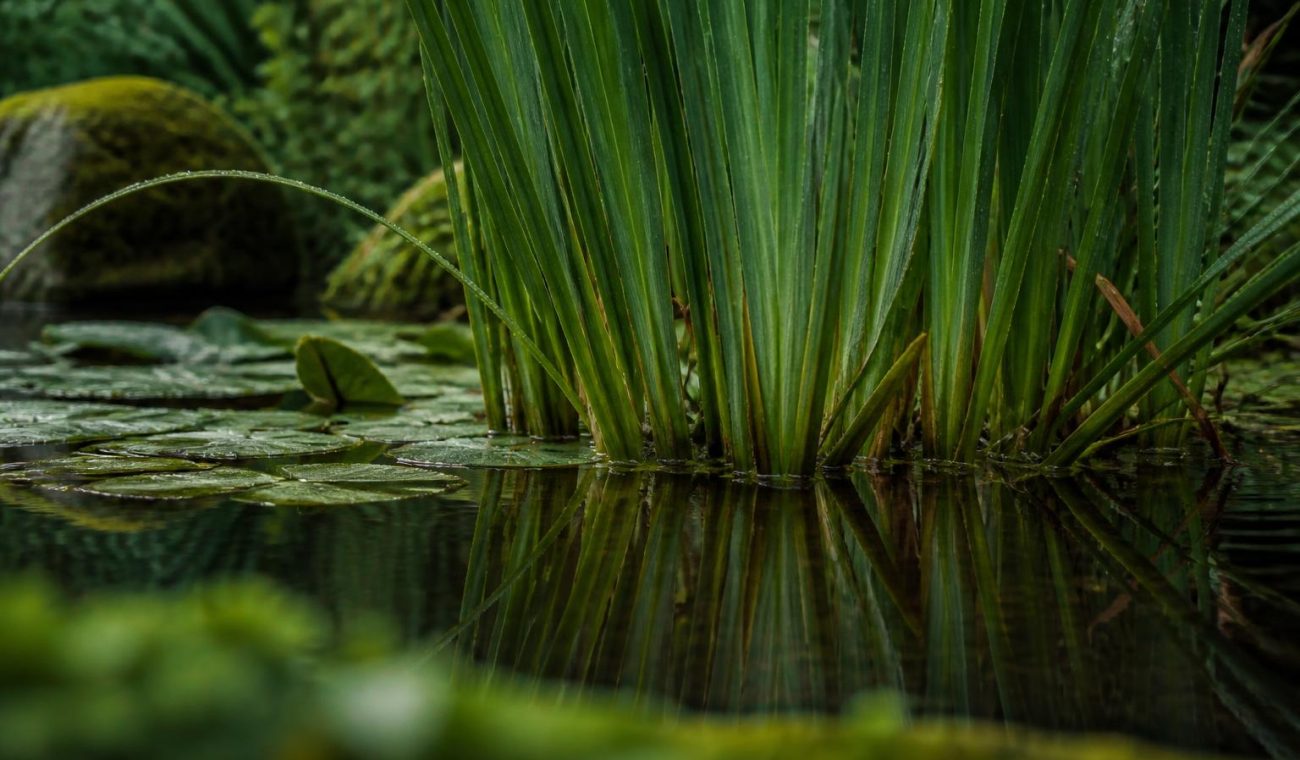
A well-planned pond begins with understanding what it needs to thrive year-round, not just in summer. Start by selecting a modestly sized vessel or shallow permanent feature that can host a small ecosystem without becoming a maintenance burden. For this project, a mix of hardy british pond plants and sheltered marginal species will provide both shelter and a corridor for aquatic insects to flower into life as the season warms. Water Lilies offer shade for fish and a focal point for the water garden, while the surrounding margins keep mud in check and give wildlife dependable resting spots.
To ground your planning, map out a sunlit north-south axis where lilies and water-loving species can soak up light for most of the day. A practical arrangement places deeper-water plants toward the center and gradually transitions to shallow, sandy margins that support amphibians and other beneficial invertebrates. Consider a planting palette that includes robust british pond plants like native rushes and marginal pond plants with upright leaves to break up glare and soften edges.
Seasonal Palette: From Spring Froth to Autumn Structure
As the season shifts from spring to early summer, expect a flurry of growth among native pond plant varieties that thrive in cool, moist soils. Planting with purpose means choosing species that will extend color and texture across the year rather than collapsing after a heat wave. Start with a few sturdy marginals—such as iris or willow herb—paired with submerged options to oxygenate the water, reducing algae and keeping the surface clear for wildlife observation.
By midsummer, your water garden should show a confident vertical profile, with water lilies peeking from the surface and marginal plants forming elegant green frames along the bank. Regularly monitor water depth and light exposure, adjusting planting depth as needed to prevent stagnation. A balanced mix of plants ensures that no sector becomes overrun by weedier species, preserving the calm aesthetic that attracts birds, frogs, and dragonflies alike.
How to Layer the Borders: Depth, Texture, and Wildlife Use
Layering borders around a pond is not just about looks; it is a practical move toward healthier water and easier maintenance. Begin with a deeper central zone to house water lilies and submerged oxygenators, then create mid-depth shelves for emergent plants that collect sediment and provide structural variety. Marginal pond plants, positioned along the edge, anchor the scene with tall blades and dense mats that hide the planting edges and keep unwanted algae from overtaking the surface.
Texture comes from a mix of smooth leaf surfaces, spiky foliage, and rosette forms that catch light at different angles. This diversity reduces wind-generated surface ripples that can stress delicate aquatic insects and fish. In a thoughtful layout, the eye travels from the calm water lilies to the intricate edging of marginal grasses, inviting observers to linger and notice how every leaf plays a part in the pond’s health.
Troubleshooting Common Pond Plant Issues
Even well-planned ponds face challenges such as nutrient buildup, weed invasion, and seasonal dieback. The cure starts with regular removal of aging foliage and a careful assessment of nutrient sources, including decomposing leaves and oversaturated compost near the water’s edge. If algae begins to dominate, reduce light by expanding a larger shade canopy from mature water lilies while improving circulation with a gentle aerator that keeps the water moving without creating harsh currents.
When marginal pond plants fail to root, inspect the substrate—compact soil or too much clay can hinder establishment. Replacing with a slightly grittier mix or adding a thin layer of rounded gravel can encourage root penetration. Always choose species that suit your climate and water chemistry; healthy roots are the key to resilience during warm spells and sudden cool snaps.
Water Management, Depth, and Plant Choice for British Climates
A pond in a cooler climate benefits from a depth gradient that protects more sensitive species during frosts and offers refuge to fish and invertebrates on chilly nights. Aim for a deepest point of at least 60 centimeters in a garden pond, with shallower shelves to host marginal pond plants and seasonal flowering varieties. In British settings, selecting hardy cultivars ensures that even harsh winters do not erase your plant lineup altogether.
Managing water quality is as important as choosing robust plant varieties. Use a simple filtration loop and avoid overstocking with fish, which can spike nitrates and destabilize plant health. Regular top-ups of rainwater when allowed by local guidelines help maintain pH balance and prevent mineral buildup that can cloud the water and impede photosynthesis for key species like water lilies and iris.
Low-Mussel Pond Design: Maintenance Schedule and Seasonal Tasks
Keep a realistic maintenance calendar to preserve the pond’s calm ambiance. In spring, prune back dead fronds and clear lingering debris to welcome new shoots. During summer, monitor water level and provide shade if the sun is intense; a simple, portable shade structure or a taller marginal plant border can reduce stress on lilies and submerged oxygenators. Autumn tasks include raking leaves from the margins and trimming overgrown plant crowns to maintain air circulation.
Winter preparation is essential for plant longevity. Move fragile specimens away from the deepest cold pockets and ensure that the pond has a consistent ice-free area if possible. A modest, temporary aerator and routine water testing help keep margins intact and prevent disease progression in stressed plants. With careful planning, your no-fuss design remains a tranquil anchor in a busy garden year after year.
Optional Texture Note
- Short, bright marginals add contrast to darker water.
- Dense reed-like plants create privacy along the border.
- Floating species offer microhabitats for small pond life.