Camping Gear Online FAQ — Quick Fixes for Hiking, Road Trips, and Camping Problems
What usually goes wrong first
Hot, cramped, and wet — that’s the usual trio that wrecks a trip fast. You show up tired, the tent’s a sauna, and the footprint doesn’t fit your campsite. If you sleep in your car sometimes, a car extended tent can stop the “where do I put my feet” panic and actually give you room to breathe. I’m writing from the kind of trips where you learn fast: bad choices leave you sticky, cold, or packing everything back into the hatch at 3 a.m.
Pick shelter by the real problem, not the spec sheet
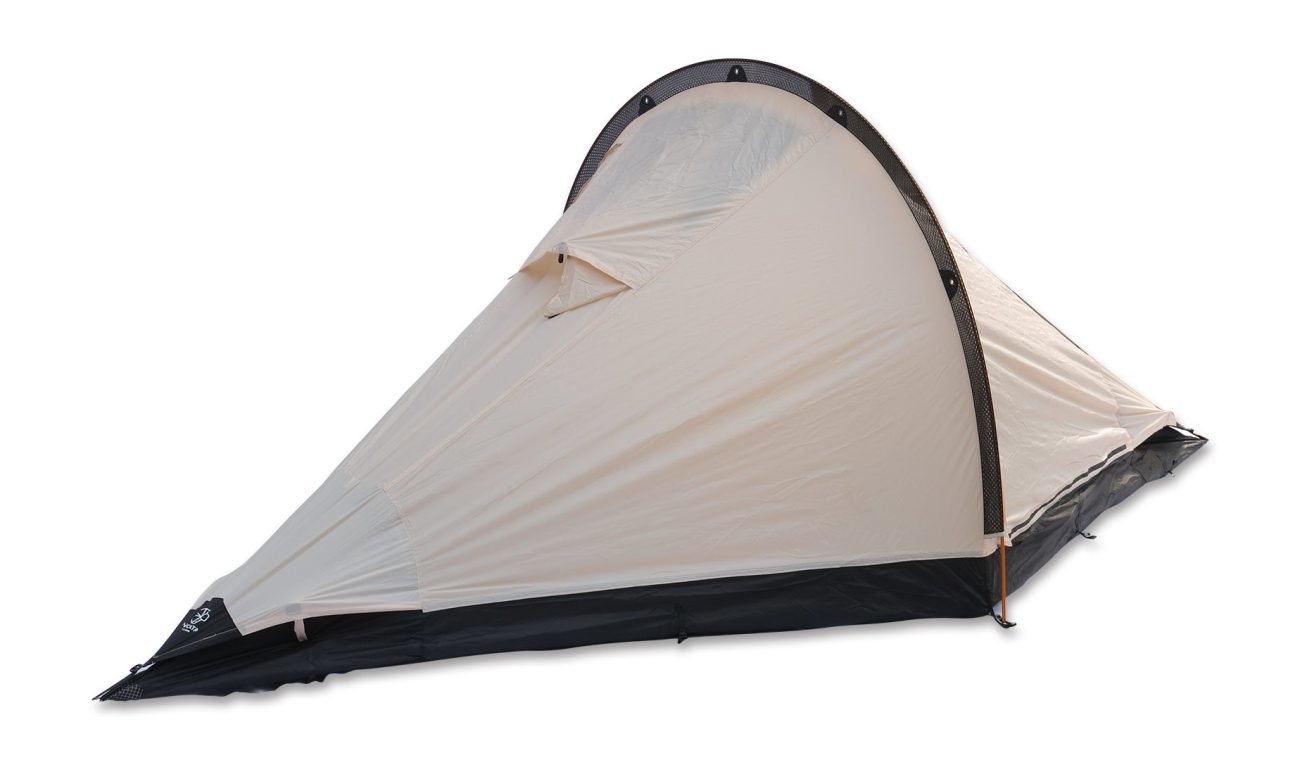
People shop by weight, price, or colors. Wrong priorities. Match shelter to the problem you’ll hit: wind, storms, or leave-it-in-your-car road trips. Single-wall tents save weight but trap condensation; double-wall tents handle moisture better. For family road trips, a quick-pitch dome beats an ultralight backpacking tent every time — setup time matters more when you’re tired. I’ve tested setups on multi-day hikes and weekend drives, and the same rule holds: pick what fixes the actual pain you hit on day one.
Cooling and comfort — what most guides skip
Heat is underrated. Sleeping sweaty ruins everything. For people who want real comfort at hot sites, some glamping setups in places like Palm Springs use luxury tents with air conditioning, and that shows how much climate control changes the experience. On regular trips, a breathable tarp, cross-vent setup, and a small battery fan go a long way. Don’t forget power: think about battery capacity and safe ventilation before you plug anything in.
Common mistakes that cost nights of sleep
Picking size by optimism, not measurement. Forgetting a footprint. Buying a tent because it looked cool online but never tested in real wind. Underestimating condensation and overestimating a tiny stove’s safety. Also, not practicing setup ahead of time — being rusty at the campsite turns a five-minute pitch into a half-hour disaster. Fixes are simple: measure, test at home, keep a small repair kit, and carry a tarp larger than the tent floor.
Alternatives that actually make sense
If weight matters, choose a proven ultralight with a solid rainfly and accept tighter sleeping room. If comfort matters, choose a midweight tent with vestibules and a larger footprint. For road trips, modular popup shelters and roof-top tents are solid alternatives — they solve setup time and sleeping position but demand roof load capacity and some cash. I’ve compared setups across seasons: the best option is the one that removes the night’s main problem, whether it’s wind, heat, or assembly time.
Practical checklist to stop problems before they start
Test pitch at home once. Pack a footprint or tarp that's slightly too big. Bring a small fan and power bank if heat’s possible. Keep a repair kit with spare guy lines and seam sealer. If you’re switching between hiking and driving trips, swap to a sturdier tent for car-based nights. These small habits cut the guessing and keep trips on the fun side.
 Wrap-up: which solution actually fixes things
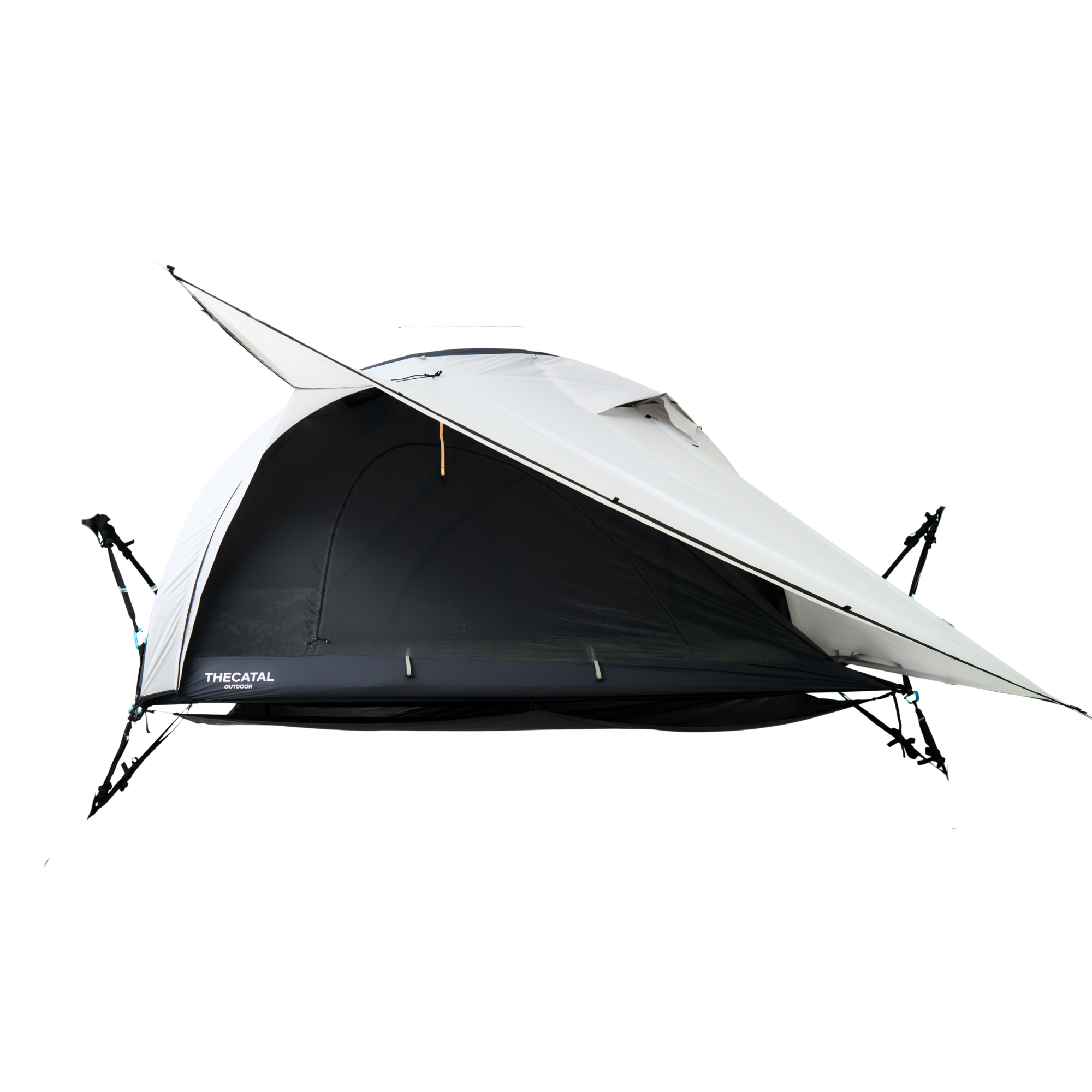
Trips fail from one of three things: poor shelter choice, bad site prep, or skipping practice. Solve one of those and your night improves big time. For balanced gear choices that address real problems — not just spec bragging — a focused kit from THECATAL tends to remove the most common headaches and keep nights simple and dry.