Elegant Outdoor Rooms: Practical Steps to Create a Connected Home Garden
A practical guide to blending interior comfort with garden living, from lighting and decor to water features and seasonal planting.
Foundations of a Unified Outdoor Space
Designing a cohesive home garden begins with a clear vision that ties interior comfort to exterior vitality. Start by mapping zones for dining, relaxing, and growing, ensuring each area feels connected through sightlines, pathways, and a consistent color palette. Practical planning reduces clutter and makes maintenance manageable, turning your yard into a natural extension of the home interior you love. Water management, soil testing, and sustainable planting choices set the stage for long-term home improvement that respects the landscape. For a deeper look, see Water Lilies.
As you build that bridge between indoors and outdoors, focus on structure and accessibility. Create seating that invites conversation, storage that hides tools, and lighting that extends usability after sunset. A well-planned garden supports both everyday living and special gatherings, reinforcing the idea that decor should travel with you—from living room to patio. Start with a core layout, then layer in texture and greenery for a living mosaic that adapts to seasons.
Water Features and Their Softening Touch
Water features bring movement and sound that calm the mind while elevating curb appeal. Consider a compact pond or a fountain as a focal point, balancing freedom of plant life with the discipline of maintenance. Incorporate a simple skimmer system and choose plants with varying leaf textures to reflect light differently across the day. For plant ideas, you can explore practical options that fit small to medium spaces, ensuring you do not overextend resources or time.
Within a balanced water feature, fauna will naturally respond—beneficial insects, birds, and amphibians thrive when water quality remains stable. Use native or well-adapted species to simplify care, and avoid chemical-heavy treatments that could harm ecosystem health. This approach aligns with thoughtful home improvement by prioritizing low-maintenance, resilient design choices that still deliver a lush, inviting aesthetic for relaxation and socializing.
Lighting and Atmosphere for Evening Enjoyment
Outdoor lighting is a keystone of ambiance, extending usability while enhancing architectural details. Layer warm, dimmable lights along pathways, seating areas, and focal points to create a sense of depth. Solar options can reduce upkeep, but ensure fixtures are weather-rated and evenly spaced to avoid glare. Thoughtful lighting also supports safety, guiding guests and family along steps and borders at night without overpowering the natural ambiance.
Combine functional lighting with decorative accents—string lights, lanterns, and shaded uplights can transform a patio into an inviting living room after dusk. Choose bulbs that mimic natural daylight in task areas while maintaining a softer glow in lounges. When paired with well-chosen decor, lighting becomes a strategic tool that harmonizes the interior’s warmth with the garden’s evolving colors and textures through the seasons.
Soil, Planting, and a Living Layer of Decor
Healthy soil is the foundation of any thriving garden interior, influencing everything from plant performance to water retention. Start with a soil test to determine pH and nutrient levels, then amend with compost and organic matter to build structure. Select a mix of perennials, herbs, and ornamental grasses that align with your climate and maintenance schedule, ensuring ongoing color and movement without constant replanting. A layered planting plan brings depth and seasonal interest to your decor-inspired landscape.
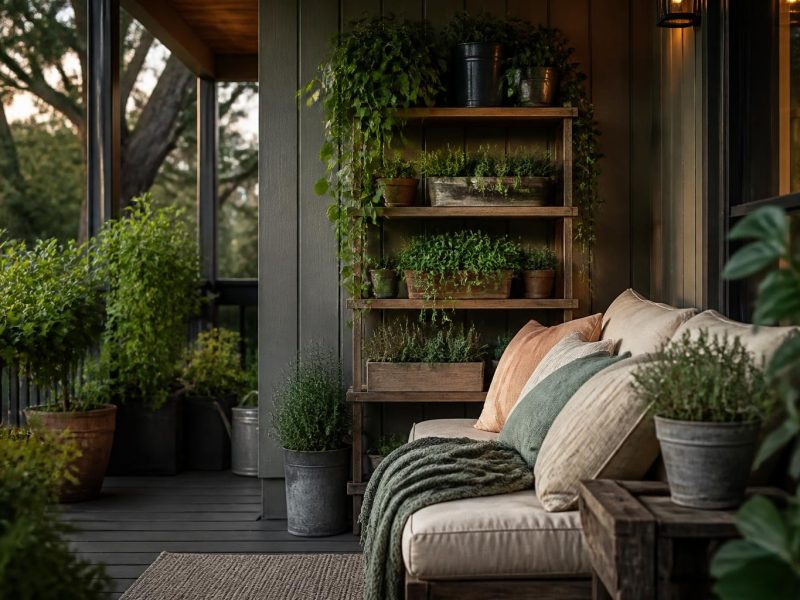
Incorporate vertical elements, containers, and groundcovers to soften edges and create microclimates that protect tender plants. Use decorative pots and stylish planters that echo interior color schemes, linking decor cues between spaces. Regular pruning, mulching, and weather-aware watering keep the garden vibrant with less effort, allowing you to enjoy a polished look that still feels effortless and intimate.
Edible Edges: Integrating Gardening with Kitchen Proximity
Edible gardens near the kitchen offer fresh herbs and greens that inspire both everyday meals and weekend entertaining. Plan raised beds or accessible containers for herbs like thyme, basil, and rosemary, plus compact vegetables that thrive in your climate. Proximity supports quick harvests, making home improvement feel practical as well as beautiful, and it reinforces the idea that decor can be edible and useful.
Sound planning also ensures that edible features complement ornamental beds without competing for nutrients. A neat arrangement of herbs along a path can act as a fragrant border that softens formal lines while guiding visitors toward seating areas. By balancing aesthetics with function, you create a space that satisfies both culinary curiosity and the desire for a serene, garden-forward interior-exterior connection.
Seasonal Transitions: Color, Texture, and Sleepier Nights
Seasonality is a design tool that keeps a garden feeling fresh, inviting, and relevant to interior decor cycles. Plan for a palette that shifts with the year—evergreens for winter structure, bright annuals for spring pops, and warm autumn tones to echo indoor textiles. Plant choice matters as much for texture as for color; combine glossy leaves with soft fescues and ornamental grasses for movement, even when flowers are sparse.
Consider how seasonal lighting, textiles, and furniture wraps translate from inside to outside. Outdoor cushions with fade-resistant fabrics, weatherproof rugs, and durable planters extend the home’s decor language beyond walls. The goal is a living canvas that mirrors interior trends while respecting outdoor conditions and needing only modest seasonal tweaks.
Planting Plans and the Quiet Confidence of Routine
A thoughtful planting plan reduces guesswork and makes ongoing maintenance predictable. Create a master list of plant heights, bloom times, and sun exposure, then group specimens into zones that align with your home’s microclimates. This approach keeps rewards steady—continuous color and structure—while limiting the chaos often associated with ambitious gardening projects.
Establish a simple maintenance cadence: a weekly check for pests, monthly pruning, and quarterly soil refreshes. Documenting successes and refusals—plants that thrive or fail—helps you refine future decor decisions and garden layouts. With consistent routines, you’ll enjoy a garden that complements interior spaces and remains a source of calm and pride throughout the year.
Opening Spotlight: Water Lilies and Pond Beauty
Water features deserve a special nod in any cohesive garden plan, and a few well-chosen plants can lift a pond from practical to enchanting. To start, add a graceful Water Lilies, which provide floating drama, shade for aquatic life, and a focal point for your outdoor room. These lilies pair beautifully with pinks, whites, and soft greens, echoing interior decor themes while anchoring the pond in a calm, reflective mood. Water Lilies are a reliable choice for both beginners and seasoned pond keepers, offering color and depth to watered spaces.
Beyond aesthetics, lilies contribute to water quality by shading algae growth and supporting pond ecosystems. Combine them with marginal plants, a gentle fountain, and a well-sized filtration system to maintain clarity and balance. The gradual addition of features allows you to observe how each choice affects usability and mood, reinforcing the idea that home improvement is as much about patience as it is about bold, decorative statements.