Smart Garden Design: Practical Home Garden Improvements for Every Season
A practical guide to home garden improvements, blending interior and exterior spaces with decor-minded planning and resilient planting strategies.
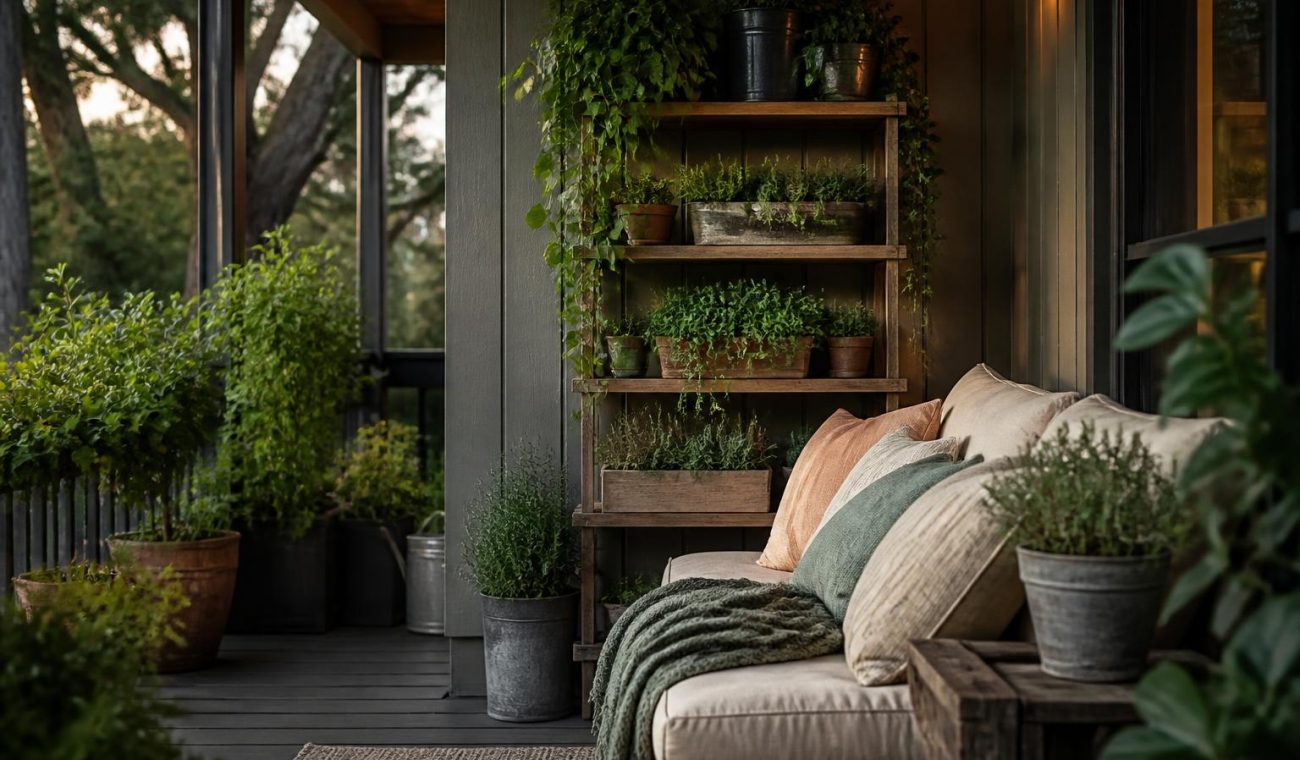
Planning a cohesive outdoor room that bridges interior and exterior spaces
A well-balanced garden design starts with a clear concept that ties your outdoor space to the home’s interior flow. Begin by mapping sunpaths, wind corridors, and existing architecture to determine where seating, plantings, and pathways belong. This approach creates a unified feel as guests transition from indoors to outdoors, while still honoring practical needs like drainage and accessibility. For precise layout decisions, early consultation with a landscape professional can save time and resources while aligning with home improvement goals. For a deeper look, see lidar technology.
As you sketch zones for dining, lounging, and growing, think about seasonal color and texture to maintain interest year-round. Use native plants where possible to reduce maintenance, and choose containers that complement your interior decor so the exterior mirrors your interior style. A cohesive palette, durable furnishings, and smart lighting will anchor the space and invite lingering moments after sunset, reinforcing the sense of an outdoor room that feels intentional.
Choosing plants and hardscapes that tolerate climate shifts
Selecting species that thrive in your local climate reduces upkeep and keeps your decor cohesive across seasons. Consider drought-tolerant perennials for low water needs, evergreen shrubs for year-round backbone, and seasonal annuals for splashes of color. Pair plants with hardscape features—pavers, timber edges, and gravel—that echo interior textures like stone, woodgrain, and fabrics found in your home decor. This harmony between flora and built elements enhances curb appeal and garden resilience.
Hardscape choices shape accessibility and maintenance demands. A well-graded path minimizes tripping hazards while guiding visitors through focal plantings. Use permeable materials to improve drainage and reduce runoff, which helps protect patios and indoor spaces during heavy rains. By aligning plant selection with sturdy, low-maintenance hard surfaces, you create a garden that stays beautiful with less effort.
Water-wise practices that protect both garden and wallet
Efficient irrigation begins with a smart plan that matches plant needs to soil moisture levels. Install drip irrigation with zone controls to minimize evaporation and waste, and pair it with a rain sensor to shut off automatically after storms. Mulching around beds reduces evaporation, moderates soil temperature, and suppresses weeds, delivering healthier roots and better overall growth. These steps translate into steady, predictable results without heavy daily upkeep.
Beyond irrigation, adopt water-wise garden care such as native groundcovers and drought-tolerant grasses that require less mowing and maintenance. Group plants with similar water needs so you can tailor watering to actual demand rather than a generic schedule. The outcome is a resilient landscape that supports your interior living spaces and provides soothing views during long evenings on the deck.
Seasonal decor ideas that transition from indoors to outdoors
Layering textures and colors across seasons creates a dynamic garden that mirrors interior styling. Incorporate woven fabrics, metal accents, and ceramic planters that echo room decor while withstanding outdoor conditions. Seasonal textiles on cushion covers and throws can be swapped for a refreshed look without a full redo, delivering a cost-effective home improvement approach that remains practical for gardening enthusiasts.
Lighting is a key decor tool that extends usability into evenings, transforming garden corners into intimate retreats. Use warm-toned LEDs, solar lanterns, and uplighting to highlight architectural features and focal plants. A few well-placed lamps or lanterns can make the space feel like an extension of the interior, reinforcing a cohesive design narrative across home and garden decor.
Edible spaces and ornamental touches that boost home value
Integrating edible features such as a compact herb bed, raised veggie boxes, and fruiting shrubs adds practical value to your garden while supporting interior creativity. Raised beds make harvesting easy from a seated or standing position, and dedicated herb corners provide fresh notes for cooking and decor alike. The result is a garden that nourishes both the body and the sense of beauty in your living space.
Ornamental touches like topiary forms, seasonal floral arrangements, and scented planting beds elevate curb appeal and indoor perception of value. Place evergreen structure near entryways to provide year-round sheltering visual interest, while flowering borders offer changing color stories that resonate with interior accents as the year progresses. Thoughtful ornamentation ties together practical food production with decorative elegance.
Smart tools and tech for a low-effort garden maintenance routine
Automation helps you sustain a vibrant garden without daily micromanagement. A weather-responsive irrigation controller, soil moisture sensors, and a simple plant-tracking app can guide pruning and fertilizing schedules. This tech-forward approach aligns with home improvement goals by reducing waste and optimizing plant health, while freeing time for interior projects and relaxation in the garden space.
For high-accuracy landscape planning and ongoing maintenance, integrate mapping and measurement tools that support precise planting layouts. Digital plans translate into real-world outcomes, enabling you to replicate your interior design language outdoors. The resulting system supports durable, low-effort maintenance and a garden that remains welcoming through every season.
When wildlife, weather, and design intersect, a well-planned garden becomes a living room without walls—comfortable, practical, and beautiful.
Practical safety and accessibility considerations for every gardener
Accessibility features, such as slip-resistant surfaces, gentle slopes, and comfortable seating heights, ensure the garden remains enjoyable for all users. Plan wide paths that accommodate wheelchairs or prams, and place frequently used tools in reachable, shaded locations to reduce strain. By prioritizing safety and ergonomics, you protect the investment you’ve made in home improvement while encouraging ongoing engagement with your space.
Safety extends to plant selection as well. Avoid toxic species near play zones and ensure structures like pergolas or trellises are securely anchored. Consider low-maintenance borders that reduce the need for heavy pruning and sharp tools. A thoughtful approach to accessibility and safety bolsters long-term enjoyment and keeps the garden a welcome extension of your interior living area.
Texture-rich details that enrich the garden story
- Layered planting palettes with contrasting leaf shapes and colors
- Strategic mirrors or reflective surfaces to amplify light
- Seasonal container gardens that mimic interior decor themes