Smart Seasonal Garden Upgrades: Practical Home Improvement for a Fresh Interior-Exterior Flow
A practical guide weaving gardening, decor, and interior updates for a cohesive home improvement routine that bridges indoors and outdoors.

Preparing a resilient garden space that lasts across seasons
Plant selection starts with understanding your climate and sunlight patterns, which informs soil preparation, irrigation planning, and the overall layout. A thoughtful approach reduces maintenance and enhances curb appeal, while ensuring your garden thrives from spring through fall. With smart soil amendments and mulching, you’ll preserve moisture and reduce weed pressure, turning outdoor areas into inviting extensions of your home. A practical starting point is mapping sunny and shaded zones to guide plant choices and future upgrades, aligning with both interior style and exterior function. battery chainsaw lets you safely clear underbrush and shape borders without heavy labor.
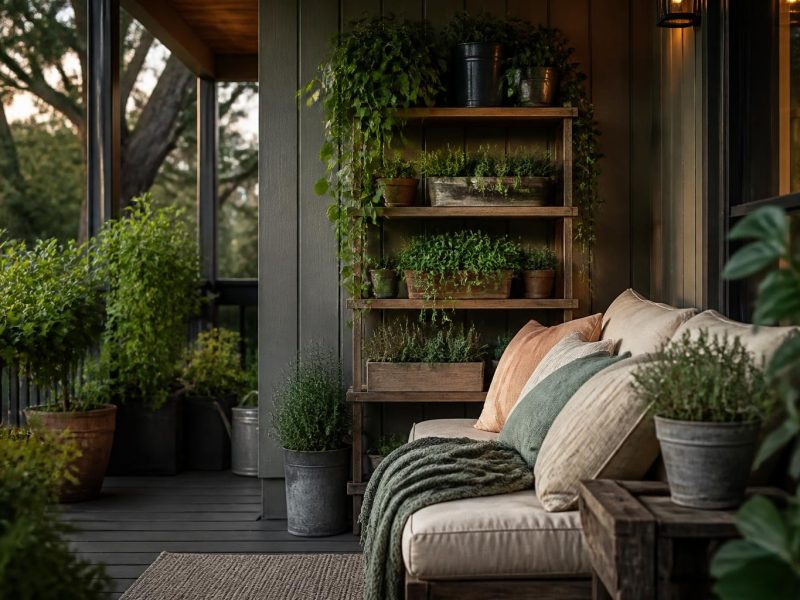
Invest in durable, weather-resistant containers and high-quality planting substrates to support perennials and annuals alike. By grouping plants with similar water needs, you simplify maintenance and conserve resources, which is a core element of responsible home improvement. Consider integrating vertical planters, trellises, and smart irrigation sensors to monitor soil moisture and sun exposure. These steps help you achieve a cohesive garden that harmonizes with interior decor while remaining easy to manage year after year.
Designing a cohesive outdoor space that complements interior decor
Start with a color palette that mirrors interior rooms—soft neutrals, bold accents, and natural textures—to create a seamless transition from living room to patio. Choose hardscape materials that echo indoor flooring textures, such as warm-toned pavers or cedar decking, so the outdoor space feels like an extension of your home. Add seating clusters and shade elements to encourage daily use, turning the garden into a reliable backdrop for both routine meals and weekend gatherings. This approach supports consistent home improvement visions across spaces.
Lighting is a subtle but powerful tool for extending usability after dusk and enhancing mood with decor cues that echo indoor lighting. Incorporate warm LED string lights, bollard lights, and uplights to sculpt focal points, like a specimen tree or a water feature. Weatherproof cushions and textiles with durable fabrics create inviting areas that invite relaxation, while outdoor rugs anchor seating zones and reinforce the interior design narrative outside the walls.
Low-maintenance planting for busy households
Choosing perennials suited to your climate minimizes yearly replacement and reduces labor during peak growing periods. Layer plant heights from back to front to create depth without crowding, and employ ground covers to suppress weeds and stabilize soil. Composting scraps and using a simple drip irrigation system can dramatically cut up-front maintenance, leaving you more time to enjoy the garden rather than tend it, which aligns with thoughtful home improvement goals.
Mulching around beds and borders not only conserves moisture but also improves soil structure over time, supporting healthier root systems for vegetables, ornamentals, and flowering shrubs. Grouping herbs in a sunny border near the kitchen makes it easy to snip fresh leaves for deco and cooking alike, reinforcing the interior-exterior connection that decor and gardening share in a well-rounded home. Regular pruning of spent blooms keeps borders tidy and inviting.
Timber, metal, and stone: choosing materials that endure
Durable materials define long-term resilience, so select timber that’s pressure-treated or naturally rot-resistant, with proper sealing to resist weathering. Steel and aluminum elements offer low maintenance and a modern edge, while stone or brick anchoring grounds layouts with a timeless presence. When planning maintenance routes, consider timber care schedules, rust prevention for metal fixtures, and sealants that keep stone surfaces looking fresh across seasons.
Design details such as decorative pergolas, planters, and built-in seating can elevate the sense of home-improvement value without demanding constant upkeep. Use splash zones and geotextile fabrics to separate planting beds from pathways, ensuring longevity and ease of cleaning. Thoughtful material choices translate into a garden that looks curated and cohesive with the home interior, reflecting deliberate decor decisions outdoors as well as in.
Water features and microclimates for year-round interest
A small, well-placed water feature adds movement and soundscapes that elevate mood and perceived value of the space. When positioned near seating or dining zones, it becomes a focal point that harmonizes with exterior decor, inviting lingering moments outdoors. Consider energy-efficient pumps and filtration systems to keep maintenance low while maintaining a tranquil effect that complements interior design sensibilities.
Microclimates around walls, fences, or sheltered nooks allow you to grow a wider range of plants, from tropical-looking specimens to hardy herbs. By mapping sun exposure and airflow, you can tailor plant groups to optimize beauty and health. A connected plan for seasonal changes—including fall cleanup and spring replanting—helps ensure the garden remains a reliable, enjoyable extension of the home throughout the year.
Edible landscapes: integrating gardening with kitchen access
Edible landscaping blends aesthetics with practicality, using herbs and vegetables as accents in ornamental borders or raised beds. Position high-use culinary plants near doors or windows for effortless harvesting, creating a seamless workflow from garden to table. Implementing a compact, raised-bed system can improve soil quality, reduce bending, and support accessibility, which is especially helpful for busy households pursuing consistent home improvement results.
Rotational planting and succession sowing keep harvests steady across seasons, while companion planting can naturally deter pests and improve yields. Build a small pollinator-friendly zone with flowering herbs and nectar-rich blooms to support garden health and resilience. Maintaining a tidy, well-ordered edible space reinforces the connection between interior meals and outdoor growing, tying decor, gardening, and home improvement into one cohesive lifestyle.
Seasonal upkeep calendar and practical tips
Create a simple seasonal calendar that outlines pruning windows, fertilizer dates, and irrigation checks to avoid wasted effort and protect plant health. Align the calendar with interior rhythms—holidays, hosting, and seasonal decorating—to ensure outdoor tasks don’t conflict with busy periods indoors. A routine checklist keeps you proactive rather than reactive, preserving the garden’s structure and beauty with minimal stress.
Tools and storage solutions for the shed can dramatically reduce time spent on maintenance. Invest in clearly labeled containers, a durable workbench, and weatherproof organizers to keep supplies accessible and safe. Keeping a tidy workspace supports efficient home improvement projects, whether you’re refreshing decor or updating an outdoor dining area, and reinforces the overall harmony between interior and exterior spaces.